Bulky Waste Moves: Sofa and Appliance Collection in Stroud Green
Posted on 02/06/2026
If you have a worn-out sofa blocking the hallway or a heavy appliance that has finally given up, you are probably not looking for a lecture. You want it gone, safely, without damage to walls, backs, or your weekend. That is exactly where bulky waste moves in Stroud Green come in. Whether you are clearing space before a move, replacing old furniture, or dealing with a last-minute collection, sofa and appliance collection needs a bit more planning than chucking a bin bag out front. Truth be told, it is often the awkward items that slow everything down.
This guide explains how bulky waste collection works in Stroud Green, what to expect from a professional move, and how to avoid the common headaches that come with large-item disposal. You will also find practical advice on timing, access, safety, and recycling, plus a few links to useful local resources like the full services overview and recycling and sustainability information if you want to plan responsibly. Let's keep it simple and useful.
Why Bulky Waste Moves: Sofa and Appliance Collection in Stroud Green Matters
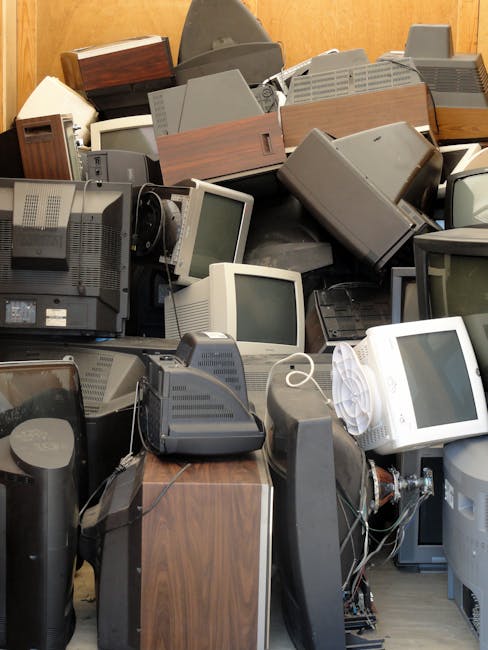
Bulky waste is not just "big rubbish." It is the kind of item that creates a moving problem, a safety issue, or a space issue all at once. A sofa can be too wide for a tight stairwell. A fridge-freezer can be too heavy for one person to shift without the right equipment. An old washing machine might still contain water. And a mattress? It is light enough to look harmless, then somehow becomes impossible to turn in a narrow landing. Classic, really.
In Stroud Green, where access can be awkward and properties vary from compact flats to family homes, a smart bulky waste plan saves a lot of time. It also reduces the risk of damage to floors, doors, lifts, and the item itself. If you are moving house, decluttering, or clearing a rental at short notice, a proper collection service helps you avoid the kind of last-minute scramble that turns a normal day into a stressful one.
There is also the sustainability side. Many sofas and appliances should not simply be dumped. They may contain reusable materials, metals, foam, wiring, refrigerants, or other components that need careful handling. A responsible collection process makes it easier to separate what can be reused, repaired, recycled, or disposed of appropriately. For readers thinking ahead, expert decluttering before a move is often the best place to start.
Key takeaway: bulky waste collection is not only about removal; it is about planning the safest, cleanest, and least stressful route for large items that are hard to move, hard to lift, and hard to dispose of properly.
How Bulky Waste Moves: Sofa and Appliance Collection in Stroud Green Works
At a practical level, sofa and appliance collection usually follows a simple pattern: assess the item, check access, plan the lift, remove safely, and transport it to the right destination. The details matter, though. A large sofa in a first-floor flat is a very different job from a small under-counter freezer on a ground floor with easy street access.
Most collections begin with a quick description of the items. Dimensions, item type, whether it can be dismantled, and where it is currently located all make a difference. If the property has stairs, tight turns, limited parking, or a narrow entrance, those factors should be mentioned early. In our experience, the jobs that go smoothly are the ones where nobody has to "just have a look" on arrival and guess what the hallway looks like.
For many households, bulky waste moves happen as part of a bigger moving job. Maybe the old corner sofa is being replaced after a tenancy ends. Maybe the washing machine is being taken away because the new home already has one. Maybe a freezer needs careful handling because it has to be emptied and disconnected before collection. If that sounds familiar, how to prepare your freezer for storage and caring for your freezer during unused periods are useful companion reads.
The collection itself should be calm, controlled, and properly equipped. That means handling straps, protective coverings, trolleys or dollies where suitable, and enough manpower for awkward lifts. It also means thinking about the route out of the property before anything is moved. A sofa should not be pivoted blindly around a stair banister. An appliance should not be dragged across flooring and hoped for the best. Small detail, big difference.
Key Benefits and Practical Advantages
People usually book bulky waste collection for one reason: they need space. But the real value often goes further than that.
- Less physical strain: Heavy lifting is where accidents happen. Using a proper collection service reduces the risk of injury and avoids those "I can do it myself" regrets the next morning.
- Better protection for your home: Narrow hallways, paintwork, and wood floors are easy to scuff when large items are moved without planning.
- Faster turnaround: One coordinated collection can clear an entire room in a single visit.
- Cleaner move-out: Removing bulky items early makes cleaning, staging, and handover much easier. If you are preparing a property, this cleaning guide before the move fits neatly into the process.
- Improved recycling outcomes: Sofas, white goods, and mixed-material items often need sorting, not just dumping.
- Less stress overall: Once the biggest items are gone, everything else feels smaller. Strange how that works.
There is another quiet benefit too: it helps you make better decisions. Once the sofa is gone, you know exactly how much space is left. Once the old dishwasher is removed, the kitchen plan becomes clearer. That clarity can help with furniture layout, storage decisions, and whether you really need to keep that second chest freezer you have not opened properly in months.
Who This Is For and When It Makes Sense
Bulky waste moves are useful for a wide range of people in Stroud Green. You do not need to be moving out of a house to need one.
- Homeowners replacing old sofas or appliances
- Renters clearing a flat before checkout
- Families making space for new furniture or appliances
- Students who need quick, simple clearance before leaving term-time accommodation
- Landlords and letting agents handling end-of-tenancy clearances
- Small businesses disposing of office seating or old equipment
- People downsizing and deciding what stays, what goes, and what really should have gone years ago
It also makes sense when you are dealing with one awkward item rather than a full house. A sofa in good condition might be moved into storage rather than discarded, especially if there is a delay between properties. For that kind of decision, long-term sofa storage insights can help you think more carefully about protection and moisture control.
If time is tight, same-day help can be the sensible option. A short-notice clearance is often the difference between finishing on time and carrying a heavy item around for another week. For urgent jobs, what to expect from same-day removals in Stroud Green is worth a look.
Step-by-Step Guidance
If you want bulky waste collection to run smoothly, do not start with the van. Start with the item and the route out.
- Identify what needs removing. List each sofa, appliance, mattress, or chair. Note whether it is intact, dismantlable, or still connected.
- Measure the item and the access points. Door widths, stair turns, lift size, and hallway pinch points matter more than people think.
- Check disconnection needs. Fridges, freezers, washing machines, and dishwashers may need to be safely unplugged, emptied, or drained before collection.
- Clear the path. Move rugs, shoes, plant pots, and anything else that could trip someone up. Even a small umbrella stand can become a nuisance.
- Protect vulnerable surfaces. Use covers or blankets where needed, especially near corners and bannisters.
- Arrange lifting support. If the item is heavy or awkward, get enough people and the right equipment. This is where kinetic lifting basics can be a useful concept to understand.
- Move the item carefully to the vehicle. Keep the item balanced and avoid sudden twists. A smooth lift is safer than a heroic one.
- Sort for reuse, recycling, or disposal. Ask what can be diverted from landfill and how the item will be handled.
- Confirm completion and final placement. If you are clearing a property, check the room, corridor, and access areas for anything left behind.
A practical note: if an item is especially heavy and you are tempted to "just slide it a bit," stop there. Sliding may look easier, but it can ruin floors and make control worse. Better to pause and plan properly than to rush and regret it.
Expert Tips for Better Results
Here are the little details that make a bulky waste move feel easy rather than messy.
- Empty appliances fully first. A full freezer, damp washing machine, or half-loaded fridge is heavier and less pleasant to handle.
- Remove loose parts. Cushions, drawers, shelves, and detachable feet should come off if it makes the move safer.
- Use blankets and straps properly. A blanket is not just for looks. It prevents damage and helps with grip.
- Schedule collections before a property handover. The earlier the bulky items are gone, the better the final clean.
- Think about parking and access in advance. In Stroud Green, street access and loading space can be the hidden challenge. If you want a local planning angle, this N4 moving checklist is very handy.
- Choose the right vehicle size. Too small and you waste trips. Too large and you may pay for space you do not need.
- Be honest about item condition. A cracked appliance or sagging sofa may need different handling than a standard item.
- Keep children and pets away from the working area. Sounds obvious, but on a busy day it can be forgotten in five minutes flat.
One more thing: if you are dealing with a flat, terrace, or a tight access route, take a few photos before collection. Not for the gallery, obviously. It just helps everyone visualise the job and reduces guesswork. Small thing, big help.

Common Mistakes to Avoid
Most problems with sofa and appliance collection are avoidable. The same few mistakes appear again and again.
- Underestimating weight: A sofa may look manageable until you try carrying it down stairs.
- Forgetting to measure doorways: Many delays come from items that simply will not turn through a tight angle.
- Leaving appliances connected: That can create water leaks, electrical risk, or both.
- Not clearing the route: A cluttered hallway slows everything and increases the chance of damage.
- Guessing on collection timing: If you book too late, you may be stuck with the item longer than planned.
- Assuming all items can be handled the same way: A sofa, a cooker, and a fridge-freezer are not the same job.
- Trying to lift alone: This is the big one. We have all seen someone say, "I've got it," moments before needing a wall for support. It rarely ends stylishly.
If you are unsure about the lift, the safest approach is to step back and reassess. For readers who want more guidance on solo lifting, these tips for lifting heavy objects on your own are a helpful reality check, though bulky items often really do need a team.
Tools, Resources and Recommendations
You do not need a warehouse of equipment to manage a bulky collection well, but the right tools make the job far safer and cleaner.
- Furniture blankets: protect surfaces and reduce scuffs
- Removal straps: help distribute weight more evenly
- Dolly or trolley: useful for appliances on level ground
- Gloves with grip: improve handling and reduce slips
- Measuring tape: essential for access checks
- Tape and labels: useful if parts are being dismantled or grouped
- Cleaning supplies: especially for appliances that have been unplugged or stored
If your collection is part of a larger move, it can also help to organise supplies early. packing essentials for a smooth transition is a sensible companion guide, and for larger moves generally, house moving simplified is a useful broader read.
Where possible, choose a provider that explains what happens next: reuse, recycling, disposal, or transfer. That transparency matters. So does communication. If a company answers access questions clearly and asks about item condition up front, you are usually in safer hands.
Law, Compliance, Standards, or Best Practice
For bulky waste, good practice matters almost as much as speed. While this article is not a legal guide, there are some sensible UK expectations to keep in mind.
First, waste should be handled responsibly and passed to the correct destination. Sofas, white goods, and mixed household items should not be abandoned or fly-tipped. That sounds obvious, yet it is still worth saying. If a collection provider cannot explain where items go, that is a red flag.
Second, appliances need proper care. Fridges and freezers may contain refrigerants and other components that require careful handling. That is one reason professional movers and collection teams treat them differently from regular furniture. Good practice includes disconnecting safely, keeping doors secure where relevant, and avoiding rough treatment.
Third, lifting should be done with health and safety in mind. Good manual handling practice means assessing the load, planning the route, using teamwork, and avoiding unsafe twisting or lifting beyond what a person can manage. For a clearer sense of how trained teams think about lifting, this introduction to kinetic lifting gives helpful context.
Finally, if you are using a professional removal or collection service, look for clear terms, insurance information, and a transparent complaints process. That is not being fussy. It is sensible. You can review insurance and safety alongside the terms and conditions if you want to understand how a service approaches risk and responsibility.
Options, Methods, or Comparison Table
There are several ways to deal with bulky waste in Stroud Green. The right one depends on the item, your timing, and how much lifting you want to do yourself.
| Method | Best for | Pros | Considerations |
|---|---|---|---|
| Self-moving | Small, light items | Can be cheap if you already have transport | Risky for heavy sofas and appliances; more chance of damage or injury |
| Collection with removal support | Medium to large household items | Safer, quicker, more organised | Needs good access details and clear timing |
| Same-day collection | Urgent clearances | Fast turnaround, less disruption | Availability can be limited; plan early where possible |
| Storage first, disposal later | Items you may keep or reuse | Buys time for decisions | Needs proper preparation, especially for sofas and appliances |
If you are moving from a flat with limited access, you may also find that a dedicated local move is easier than trying to improvise. flat removals in Stroud Green and man with a van in Stroud Green are both worth considering for larger or awkward loads.
Case Study or Real-World Example
A fairly typical Stroud Green scenario goes like this. A tenant is moving out of a first-floor flat and has an old sofa, a heavy chest freezer, and a washing machine that has to go before the inventory check. The stairwell is narrow, the parking is tight, and the tenant has one free evening after work. Not ideal, but not unusual either.
The first step is a quick access check. The sofa is measured and confirmed to be too wide to move in one piece without careful angle work. The freezer is emptied and left to defrost in time, because moving it still half-frozen would be awkward and messy. The washing machine is disconnected and checked for standing water. Suddenly the job becomes much more manageable.
The collection team arrives with a clear route, a plan for the tight corner on the landing, and the right number of people. The sofa is moved first because it is the most awkward shape. The freezer is handled second, carefully, because it is heavy and clumsy rather than just bulky. By the end of the collection, the flat is clear, the hallway is undamaged, and the tenant can focus on cleaning and handover instead of wrestling with an appliance at 9pm.
That kind of job is not glamorous. But it is exactly the sort of thing that benefits from a methodical approach. And if the move involves more than one room, bed and mattress moving essentials can help you prepare the rest of the property too.
Practical Checklist
Use this checklist before your sofa or appliance collection. It keeps the day calmer. Much calmer.
- Confirm which items are being collected
- Measure sofas, appliances, doors, and stair turns
- Check whether the appliance must be unplugged, emptied, or defrosted
- Clear the route from room to vehicle
- Protect floors, corners, and bannisters if needed
- Move pets and children away from the working area
- Keep manuals, cables, and loose parts together if they are staying with the item
- Arrange parking or loading access where possible
- Ask how the item will be reused, recycled, or disposed of
- Check the final space once the item has been removed
If you are clearing several rooms, you might also want to combine the collection with decluttering and packing support. It saves time, and honestly, it saves a bit of emotional energy too. There is only so much moving chaos one person should have to absorb in a single afternoon.
Get a free quote today and see how much you can save.
Conclusion
Bulky waste moves in Stroud Green are about more than getting rid of an old sofa or appliance. They are about creating space, reducing risk, and making the rest of your move feel manageable. The best collections are the ones that are planned properly, handled carefully, and completed with a clear understanding of what happens to the item afterwards.
If you prepare the access, check the dimensions, think through the appliance requirements, and choose the right collection method, you can avoid most of the usual stress. That leaves you with what you actually wanted in the first place: a clear room, a safer home, and one less heavy thing on your mind. And that, to be fair, is a pretty good result.