N4 Moving Checklist: Parking, Postcodes, and Access Issues
Posted on 06/05/2026
Moving in N4 can feel straightforward on paper, then suddenly turn fiddly once the van arrives and the street is tighter than you expected. A loading bay is occupied, the postcode doesn't quite match the flat entrance, or the lift is too small for the sofa. That's exactly why this N4 Moving Checklist: Parking, Postcodes, and Access Issues matters. It helps you spot the small details early, before they become expensive delays or a very awkward conversation at the kerb.
Whether you're heading into or out of Finsbury Park, Stroud Green borders, or one of the busier residential roads nearby, the trick is the same: plan the approach, confirm the address details, and make access as easy as possible for everyone involved. A little prep goes a long way. Truth be told, most moving stress comes from three things-parking, postcode confusion, and access that looked "fine" from a photo but wasn't fine in real life.
This guide breaks the process down in plain English. You'll get a practical checklist, common pitfalls, expert tips, compliance considerations, and a realistic example of how a smooth move is usually achieved. If you're also sorting packing, decluttering, or heavy furniture, a few of our related guides may help too, like packing essentials for a smooth transition, decluttering before the move, and safe techniques for lifting heavy objects.
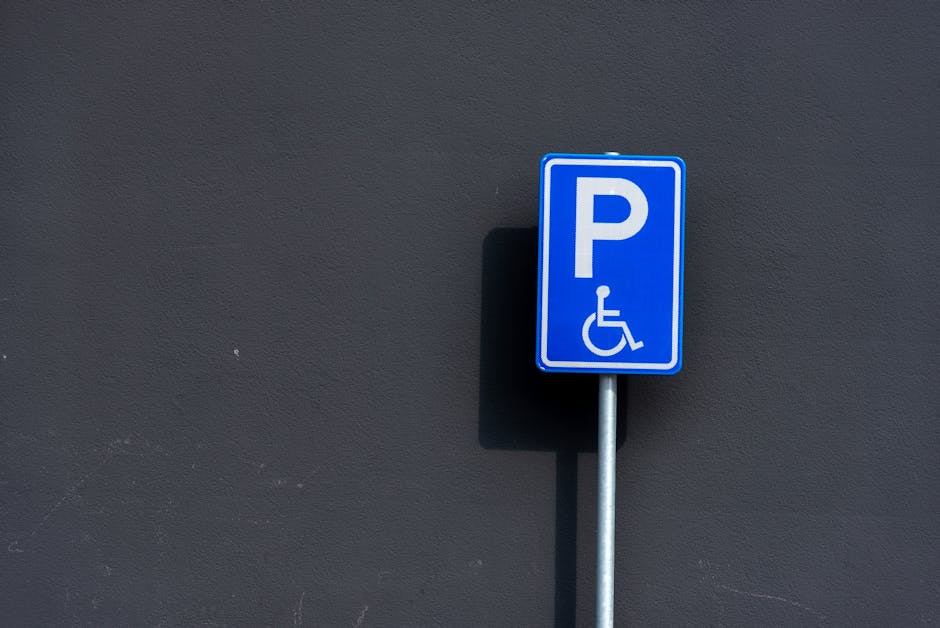
Why N4 Moving Checklist: Parking, Postcodes, and Access Issues Matters
On a busy moving day, small access problems have a habit of multiplying. If the van cannot park close enough, items have to be carried further. If the postcode is entered incorrectly, the driver may arrive at the wrong end of the street. If the front door code, intercom, or stairwell entrance is not shared in advance, you end up losing time while everyone stands around checking phones. Not ideal.
In N4, where streets can vary from wide residential stretches to tighter roads and shared entrance blocks, that planning is not optional. It affects timing, labour, safety, and sometimes even whether a larger vehicle can stop at all. It can also affect neighbours, building managers, and, in some cases, the possibility of needing temporary parking arrangements or a different unloading plan.
This is also where service choice matters. Someone moving a few boxes into a lower-ground flat has different needs from someone shifting a two-bedroom household with a wardrobe, a bed frame, and a fridge-freezer. If you're trying to work out what kind of support suits your move, it may help to review the wider services overview or compare with local removal services in Stroud Green. The right setup reduces friction before it starts.
Key point: a good moving checklist is not just about packing. It's about route planning, building access, parking permissions, and the boring-but-crucial details that keep the day moving.
How N4 Moving Checklist: Parking, Postcodes, and Access Issues Works
The checklist works by breaking the move into three practical layers: location accuracy, vehicle access, and physical entry points. Think of it like checking the path from the street to the final room. If any part of that path is awkward, you want to know early.
1. Location accuracy
This is the postcode, house number, flat number, building name, and any extra directions. In London, postcodes can cover several buildings or street segments, so the same postcode alone is not always enough. A driver needs the full address, not just the broad one. The exact entrance matters too-front gate, side alley, rear mews, lower-ground access, or service door.
2. Vehicle access
Next comes the van itself. Can it stop safely near the property? Is there space to reverse? Is the road narrow, one-way, or prone to congestion at certain times? In some cases, a smaller vehicle or a shuttle-style approach is more realistic than trying to bring a larger van right to the door. If you're considering that kind of setup, a local man and van service can sometimes be the more flexible option.
3. Building and internal access
Once the van is near the property, the internal route matters just as much. Stairs, lifts, corridor widths, tight corners, low ceilings, and shared entrances all affect handling. A sofa that looks simple in the living room can become comically awkward on a landing. We've all seen that moment where everyone pauses, tilts their head, and quietly reassesses the plan.
Done properly, the checklist makes the move predictable. Not perfect-moves are rarely perfect-but far more controlled. And that counts for a lot.
Key Benefits and Practical Advantages
The obvious benefit is fewer delays. But the deeper value is better decision-making. When you understand the access picture before moving day, you can choose the right vehicle, plan the timing, and avoid the kind of last-minute improvisation that tends to go sideways.
- Less wasted time: fewer circling-the-block moments and fewer stalled handovers.
- Safer handling: shorter carrying distances reduce strain on people and risk to items.
- Better budgeting: less unexpected labour or vehicle reshuffling.
- Cleaner communication: everyone knows the address, entrance, and parking plan.
- Fewer building issues: shared entrances and time restrictions are handled in advance.
There's also a stress benefit people underestimate. When the postcode, parking, and access plan are settled, the day feels calmer. You're not constantly fielding "where are you?" calls while trying to find a lift that opens onto the wrong floor. That calm is worth something.
If your move includes furniture that needs extra care, you may also want to think ahead about wrapping, dismantling, or storage. Our guides on keeping sofas protected in storage and furniture removals in Stroud Green are useful companions to this checklist.
Who This Is For and When It Makes Sense
This checklist is useful for almost anyone moving within N4, but it becomes especially valuable in a few situations.
- Flat moves: shared entrances, lifts, stairwells, and communal parking can all slow things down.
- Family house moves: more items, more packing, and more scope for access headaches.
- Student moves: often time-sensitive, often last-minute, and sometimes in buildings with strict access rules.
- Office or small business relocations: where timing and building permissions can matter a great deal.
- Same-day or short-notice moves: there is less room for error, so the access plan has to be ready quickly.
If your move is small and straightforward, you may only need a simple plan. If you're dealing with a tight street, a large item, or a building with limited parking, the checklist becomes much more important. For students in particular, the student removals page can be a helpful starting point.
In short: if there is any chance the van will not just pull up, load, and leave without a fuss, this is for you.
Step-by-Step Guidance
Here is the practical version. No fluff. Just the sequence that tends to work best in real life.
- Confirm the full address in writing. Include house number, flat number, building name, postcode, and any entrance instructions. If the building has a rear gate or lower-ground access, say so clearly.
- Check the postcode on a map. Postcodes are useful, but they are not always enough. Look at the exact pin location, road layout, and whether the property sits on a side street or service road.
- Review parking options. Ask yourself: can a van stop safely? Is there a loading bay? Is parking restricted at certain hours? If you do not know, ask the building manager or check with the local authority guidance before moving day.
- Measure access points. Measure door widths, stair turns, lift sizes, and hallway bottlenecks for bulky items like beds, wardrobes, and appliances. A quick tape-measure check can save a painful guess.
- Identify risk items early. Pianos, large sofas, American-style fridge freezers, and awkward furniture deserve special attention. For especially tricky items, the piano moving guide shows why specialist handling is often the sensible route.
- Prepare building permissions. Some blocks need lift booking, proof of insurance, or advance notice for the concierge. That paperwork can slow you down if it is left until the morning of the move.
- Share timing details early. Tell the mover when keys will be ready, when access opens, and whether there is any time slot for parking or loading.
- Keep a backup plan. If the road is full, decide in advance where the van can wait or unload instead. A fallback point is a lifesaver when the main spot is blocked.
One small but useful habit: send a photo of the front entrance, the parking area, and the stairwell if possible. A photo often explains what words do not. It's a tiny thing, but very effective.
Expert Tips for Better Results
Some of the best moving days are not the ones with the flashiest planning. They're the ones where the basics were done properly and nobody had to guess.
- Plan for real traffic, not ideal traffic. N4 can be busy at the wrong moment, especially if your move lands near school runs or commuter pressure.
- Avoid overfilling the van in your head. A van that looks "probably fine" can still be too small once furniture angles, padding, and safe loading space are considered.
- Use colour-coded labels. It's a simple move, but it speeds up unloading and reduces room confusion later.
- Disassemble what makes sense. Bed frames, table legs, and shelving often move better in pieces. If you need a refresher, this bed and mattress guide is worth a look.
- Check weather and surface conditions. Rain, icy patches, or a slippery tiled entrance can change the whole handling plan.
- Keep access-sensitive items separate. Essentials, keys, chargers, paperwork, and kettle items should not disappear into a random box tower.
One more thing: do not assume every driver or mover will know the exact quirks of your building. You know that one narrow turn in the corridor; they don't, yet. Tell them. Saves everyone a headache.
If you are doing your own packing, you may want to combine this checklist with our cleaning-before-the-move guide and the practical advice on making house moving feel less stressful. The whole day flows better when these tasks are connected rather than treated separately.

Common Mistakes to Avoid
A lot of access problems come from assumptions. Reasonable assumptions, sometimes. Still assumptions.
- Using postcode alone as the destination. A postcode can point to the general area, not the exact entrance.
- Ignoring van size and road width. A larger vehicle may not be the best fit for a narrow N4 street.
- Forgetting about building rules. Lift bookings, security desks, or timed access windows are easy to overlook.
- Not checking for parked cars or roadworks. Even a good parking plan can fail if the space is blocked by the time the van arrives.
- Leaving bulky item planning too late. Items like pianos or heavy wardrobes can require specialist handling and, sometimes, extra equipment.
- Assuming helpers know what to do. If friends are helping, give them a job in advance. Otherwise you get the classic "What shall I take?" chorus. Lovely people, no plan.
Another subtle mistake is forgetting the return journey. If you need to collect keys from an office, or if the old property has a tight parking bay, plan that too. Moving day is two journeys, not one.
Tools, Resources and Recommendations
You do not need a toolbox full of specialist gear to get this right. But a few practical tools make access planning much easier.
- Measuring tape: for doors, hallways, and furniture dimensions.
- Phone camera: to photograph entrances, parking signs, and awkward corners.
- Maps app: to check road layout, one-way streets, and likely stopping points.
- Pad and pen or notes app: for access times, contact numbers, and building instructions.
- Labels and markers: useful if unloading needs to happen quickly or room-by-room.
- Furniture covers and blankets: especially if you are using shared entrances or tight stairwells.
For packing materials, it is worth looking at a dedicated packing and boxes service if you'd rather not chase down cartons, tape, and wrap from five different shops. It can save a surprising amount of time.
If storage is part of the move-maybe the new place is not ready yet, or you're holding furniture temporarily-review storage options in Stroud Green as part of the access plan too. Storage handovers often involve access points of their own, and it helps to treat them with the same care.
Law, Compliance, Standards and Best Practice
Moving home in N4 usually does not require legal complexity from the customer's side, but there are still practical standards and duties worth respecting. The safest approach is to treat parking, access, and handling as part of a wider responsibility for safety, property care, and good neighbour relations.
In the UK, local parking restrictions, permit zones, loading rules, and building access policies vary. That means the right move plan is often a local one. If you are unsure about whether a road allows loading or whether a bay needs a permit, it is sensible to check the relevant council guidance or building management information in advance rather than guessing. A wrong assumption can create delays or penalties.
From an industry best-practice angle, movers generally aim to:
- protect people from avoidable lifting strain
- minimise damage to items, walls, and floors
- keep access routes clear and safe
- communicate time windows and restrictions clearly
- use suitable equipment for the size and weight of items
If you are comparing providers, it is reasonable to ask about insurance, safety procedures, and what happens if access is not as expected. You can also review the company's insurance and safety information and health and safety policy. That is not being fussy. It is being sensible.
Practical standard: if a mover says they need accurate postcode, parking, and access details, that is not a formality. It is the difference between a smooth day and a messy one.
Options, Methods, and Comparison Table
There is more than one way to handle a move in N4. The best option depends on parking, access, item volume, and how much help you want on the day.
| Option | Best for | Advantages | Potential drawback |
|---|---|---|---|
| Full removal service | Larger home moves, complex access, multiple heavy items | More support, better handling, less stress | Usually the highest level of service involvement |
| Man and van | Smaller loads, flexible timing, local moves | Often adaptable and practical for tight streets | May be less suitable for very large or delicate moves |
| Same-day removals | Urgent moves or unexpected schedule changes | Fast turnaround, useful in time-sensitive situations | Requires especially clear access details and readiness |
| Self-managed move with hired vehicle | Very small moves, confident planners | Potentially lower cost, full control | More pressure on you to handle parking and access perfectly |
If you are unsure which route to choose, a good first step is to compare the type of move with the layout of the property. A small flat with poor access can be harder than a larger house with decent parking. Oddly enough, that happens quite often.
For broader local options, you may also want to compare man with a van services with removal companies in the area depending on the level of support you want.
Case Study or Real-World Example
Here's a simple real-world style example, based on the kinds of moves people in N4 often face.
A couple moved from a first-floor flat near a busier road into a maisonette with a narrow side entrance. At first glance, the job sounded easy: two bedrooms, a sofa, boxes, and a desk. The issue was not the load size. It was access. The street had limited stopping space, the side entrance had a tight turn, and the lift at the old address could not take the sofa in one piece.
What made the difference was preparation. They shared the full postcode plus the exact entrance details, measured the sofa and hallway corners, and arranged for the bed frame to be dismantled the day before. They also sent a quick photo of both entrances, which helped avoid guesswork. Moving day still had a few moments-there nearly always are-but it was calm rather than chaotic.
The lesson is simple: most access issues are manageable if they are named early. The move does not need to be fancy. It just needs to be thought through.
That same approach works for bigger or more awkward items too. If your move involves bulky furniture, have a look at bed and mattress moving advice and, where appropriate, specialist pages like piano removals in Stroud Green.
Practical Checklist
Use this checklist in the final 48 hours before moving day. It is intentionally simple and action-focused.
- Confirm the full address, including flat number and building name
- Check the postcode on a map pin, not just in a form field
- Share access instructions for gates, doors, lifts, and intercoms
- Confirm parking restrictions, loading windows, and any permit needs
- Measure stairs, lifts, doors, and hallway corners for large items
- Photograph tricky access points and send them ahead of time
- Separate fragile, essential, and high-priority items
- Book or reserve building access where required
- Keep a backup parking or unloading option in mind
- Prepare contact numbers for the mover, building manager, and key holder
- Remove loose obstacles from hallways and entrances
- Plan for weather, especially if the route includes outdoor steps or slick paving
Expert summary: if the address is accurate, the parking is thought through, and the access route has been checked properly, the rest of the move gets easier. Not effortless, but easier-and that is usually what people actually need.
Conclusion
A successful move in N4 usually comes down to calm preparation, clear address details, and a realistic view of parking and access. Get those three things right and the rest of the day becomes much more manageable. Ignore them, and even a small move can feel bigger than it should.
The good news? You do not need to overcomplicate it. A tape measure, a map, a few photos, and a bit of honest planning are often enough to prevent the classic moving-day headaches. And if the job feels more complex than you first expected, that is normal. It just means the checklist is doing its job.
If you are still comparing options or want support with a tighter move, it may be worth reviewing the wider removals options in Stroud Green or checking the company's pricing and quotes information before you decide. A clear plan now saves stress later. Simple as that.
Get a free quote today and see how much you can save.
And if all you take from this guide is one thing, let it be this: the move usually goes better when you make the path easier before the boxes start to move.