Ferme Park Road movers for tight access removals in Stroud Green
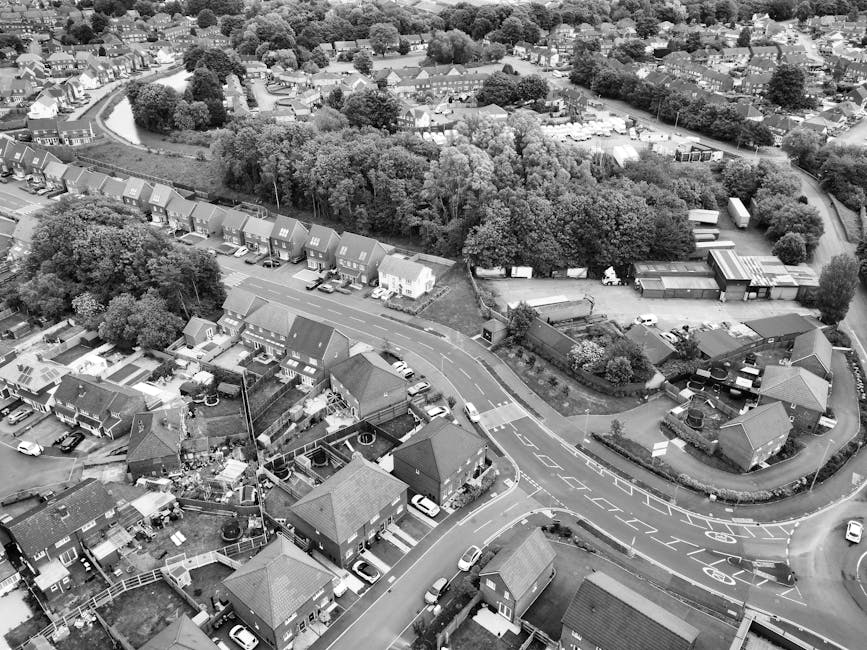
If you are trying to move on or around Ferme Park Road, you probably already know the awkward bits: narrow approaches, awkward parking, shared entrances, stairs that seem to get steeper with every box, and the nagging worry that the van simply will not fit where you need it. That is exactly where Ferme Park Road movers for tight access removals in Stroud Green earn their keep. They are not just a bigger van with a polite driver. They are the difference between a move that feels controlled and one that turns into a scramble by mid-morning.
In a neighbourhood like Stroud Green, the details matter. A few metres of kerb space, the angle of a staircase, a loading window, or whether the building entrance has a low arch can change the whole plan. This guide breaks down how tight-access removals work, who they suit, what to check before booking, and how to avoid the little mistakes that become big headaches. If you want a move that feels calm rather than chaotic, you are in the right place.
Why Ferme Park Road movers for tight access removals in Stroud Green Matters
Tight access is not a niche inconvenience. It changes the entire moving day. On roads like Ferme Park Road, you may be dealing with limited waiting space, parked cars on both sides, foot traffic, terraces with steep internal stairs, or flats that sit far from the nearest practical loading point. A standard removal approach can work beautifully on a wider suburban street. On tighter North London roads, it can fall apart quickly.
That is why the right local moving team matters. Experienced movers understand how to plan for restricted access before the first box leaves the room. They think about vehicle size, lifting angles, carry distances, timing, and the order in which items should be loaded. They also know that a move is not only about transport; it is about choreography. A sofa that would slide straight into a broad hallway may need to be tilted, padded, and carried in a very specific way when space is limited. Easy in theory, not always easy in practice.
Ferme Park Road and the wider Stroud Green area tend to reward preparation. The streets can feel deceptively manageable until a van arrives, a neighbour's car is in the way, or the only sensible loading spot is a little further down the road than expected. The best movers do not panic when that happens. They adjust. They use smaller vehicles where appropriate, plan shuttle runs if needed, and make sure the move still stays organised.
Expert summary: tight-access removals succeed when planning, equipment, and local awareness line up. Without that, even a simple move can become slow, stressful, and unexpectedly expensive.
There is also a trust element here. When a mover understands local access problems, you spend less time explaining obvious things and more time getting the job done. You are not starting from zero on the day. That alone can make the whole experience feel lighter.
How Ferme Park Road movers for tight access removals in Stroud Green Works
At a practical level, tight access removals are about matching the moving plan to the building and street, rather than forcing the building and street to fit the plan. That sounds obvious, but you would be surprised how often it gets missed.
The process usually starts with a short assessment. Sometimes this is done from photos, a video walkthrough, or a direct conversation about entry points, stairs, parking, lift access, and item sizes. A good mover will want to know whether the property is a basement flat, a top-floor walk-up, a maisonette with a narrow staircase, or a house with awkward front steps. They will also want to understand if there are fragile items, heavy white goods, or furniture that may need partial disassembly.
Then comes route planning. On Ferme Park Road, or nearby streets in Stroud Green, that may mean deciding where the van can stop safely, how far porters will need to carry items, and whether a smaller vehicle or multiple trips would be more sensible than trying to squeeze one large lorry into an awkward spot. Sometimes the right answer is not "bigger vehicle." It is "smarter vehicle." Truth be told, that distinction saves a lot of grief.
On moving day, the team usually works in a sequence:
- Protect the property and common areas first.
- Bring out the bulkiest or trickiest items while the route is still clear.
- Use the shortest safe carry route, even if it is not the most obvious one.
- Load strategically so the van remains balanced and easy to unload.
- Keep communication open in case access changes mid-move.
The best teams also build in a bit of flexibility. Maybe a resident blocks a kerb space, or the lift decides to act up, because of course it does. A good mover adapts without making you feel like the day is falling apart. That calmness is worth a lot.
If your move involves mixed home and office items, or you are moving stock, equipment, or archived materials, it may also help to look at broader options such as removal services or even commercial moves if the access challenge sits alongside a workplace relocation.
Key Benefits and Practical Advantages
The value of tight-access movers is not just that they "can fit things in." It is the way they reduce risk, save time, and make the day feel less physically punishing. Let's face it, moving already asks enough of people without adding unnecessary carry distances or avoidable lifting.
- Better parking and loading strategy: Less circling around the block, fewer last-minute decisions, and a more efficient start.
- Reduced damage risk: Experienced handlers know how to protect walls, bannisters, doors, and furniture when space is tight.
- Lower stress for you: You are not left improvising on the pavement while boxes pile up in the hallway.
- More realistic timing: Proper planning helps the move run to a schedule that reflects local conditions.
- Smarter vehicle choice: A van or truck that suits the road can be more effective than an oversized vehicle that becomes a problem.
- Better handling of awkward items: Sofas, beds, wardrobes, appliances, and pianos all need different approaches.
There is another practical benefit that is easy to overlook: neighbour relations. In tight residential streets, a smooth loading process is simply less disruptive. Shorter blockages, fewer repeated trips, and clear communication tend to keep everyone happier. No one wants to be that move which leaves half the street waiting by their car for 40 minutes.
If you are trying to keep costs under control, smart access planning can help there too. The fewer wasted movements, the fewer surprises. You may still need extra labour or a shuttle run, but at least the scope is clear from the start. That is a much better position than discovering the problem after the van arrives.
Who This Is For and When It Makes Sense
Not every move on Ferme Park Road needs a specialist approach, but many do. Tight-access removals make sense whenever the route from property to vehicle is less straightforward than average. The most common cases include top-floor flats, basement homes, terraced houses with narrow frontage, properties with no dedicated driveway, and roads where parking is limited or unpredictable.
You may also need this kind of service if:
- you are moving bulky furniture through a narrow staircase or corridor;
- your building has shared entrances or restricted access times;
- you need to avoid blocking traffic or neighbours' access;
- you are handling a same-day or time-sensitive move;
- you have fragile or high-value items that need careful handling;
- you are combining packing, moving, and storage on a tight schedule.
This is also a sensible option for landlords, letting agents, and people clearing a property between tenancies. Even one awkward item can slow everything down. A sofa wedged at the top of the stairs, a washing machine that needs two extra hands, or a wardrobe that will not clear the landing turning point can be enough to change the whole day.
For some people, the decision is partly emotional as well as practical. If you have moved before and remember the feeling of standing in a hallway while everyone tries to figure out what fits where, you will already know the value of good planning. That memory lingers, doesn't it?
For broader residential moves, you might also compare local home-moving support such as home moves, house removals, or man with van removal options depending on scale and access.
Step-by-Step Guidance
If you want the move to go smoothly, the best thing you can do is treat access as part of the job, not a side issue. Here is a simple way to organise it.
1. Walk the route from room to vehicle
Do not only think about the front door. Walk the route you actually expect the movers to use. Note tight corners, low ceilings, awkward steps, slippery paths, and any doors that swing inward or outward in a restrictive way. A quick five-minute check can save a lot of guessing.
2. Measure the awkward items
Measure sofas, beds, wardrobes, mirrors, desks, and appliances. Height, width, depth, and the diagonal measurement all matter. A surprising number of access issues are really item-size issues. A wardrobe that looks fine in a room can become a puzzle at the turn in the stairwell.
3. Photograph the access points
Photos of entrances, staircases, parking spots, and loading areas help movers assess the job properly. If there is a narrow arch, a coded gate, or a steep basement step, include it. It is much easier to plan when everyone is looking at the same reality.
4. Confirm parking and loading arrangements early
Parking around Stroud Green can be tight. If you know the exact loading point, tell your mover as early as possible. If a permit, suspension, or council permission may be needed, do not leave it to the last minute. A small delay here can ripple through the whole move.
5. Decide what should be dismantled
Sometimes a bed frame or wardrobe should be dismantled before the move; sometimes it is safer to leave it assembled until the day. It depends on the item and the access route. A good mover will advise rather than guess.
6. Pack with the route in mind
Use sturdy boxes, label fragile items clearly, and avoid overfilling heavy cartons. If movers need to carry boxes up several flights of stairs, weight matters more than most people expect. A box of books that feels manageable in the living room can suddenly feel very much not manageable on a landing.
7. Keep a clear landing zone
Try to keep hallways, stairwells, and exit points free from loose items. Even a small pile of shoes or a spare plant stand can slow things down when the corridor is narrow. It sounds minor. It rarely is.
As a practical aside, if you need support with boxing up items before moving day, packing and unpacking services can be helpful when time, stairs, or fragile possessions are part of the picture.
Expert Tips for Better Results
In our experience, the difference between a decent move and a genuinely good one often comes down to detail. Not glamorous detail. Annoyingly practical detail. Still, that is where the win is.
- Book with local access in mind: A mover who already knows the area is less likely to be surprised by the street layout.
- Use smaller vehicles if the street demands it: A smaller van with shuttle support can sometimes work better than one big attempt.
- Keep delicate items separate: Mirrors, lamps, artwork, and electronics deserve their own protection and handling plan.
- Stage items near the exit: The less time movers spend hunting for boxes, the more efficient the day becomes.
- Leave one person available for decisions: A single point of contact avoids confusion when choices need to be made quickly.
- Expect a bit of flexibility: Even a well-planned move can need a small pivot when real life gets in the way.
A good rule of thumb: if an item feels awkward when you lift it in open space, it will feel even more awkward on stairs. That sounds obvious, but we all need reminding now and then.
Another tip is to tell movers about access issues in plain language. "There is a tight staircase with a bend halfway up" is better than "it should be fine." Fine is a slippery word in removals. Sometimes it means fine. Sometimes it means trouble waiting politely at the top of the stairs.
Common Mistakes to Avoid
Most removal problems are preventable. Not all of them, but most. The same few mistakes crop up again and again on tight-access jobs.
- Underestimating parking restrictions: Assuming there will be space on the day is risky, especially on busier residential streets.
- Ignoring building layout: Lifts, staircases, and entrance widths matter just as much as the van itself.
- Choosing a vehicle that is too large: Bigger is not always better if it cannot load safely or park legally.
- Leaving dismantling until the last minute: Some furniture simply needs to be broken down in advance.
- Not flagging fragile or oversized items: Movers need to know what they are dealing with.
- Packing too heavy: This is a classic. Boxes get too full, and then everyone regrets it on the stairs.
- Failing to check access for both properties: It is not enough to plan the outgoing address. The destination can be just as tricky.
One of the more frustrating mistakes is treating tight access like a minor inconvenience. It is not. It is a planning variable. Ignore it and the whole schedule shifts. Respect it and the day usually runs far better.
If you want to dig deeper into local moving pitfalls, the guide on staircase challenges in tight flat moves is a useful companion read.
Tools, Resources and Recommendations
A tight-access move usually benefits from the right equipment and a sensible pre-move plan. You do not need to become a removals engineer overnight, thankfully, but a few basics make life easier.
| Tool or resource | Why it helps | Best use case |
|---|---|---|
| Furniture blankets and straps | Protects corners and keeps items secure in the van | Sofas, tables, wardrobes, appliances |
| Measure tape and phone photos | Helps confirm dimensions and access limits before moving day | Staircases, doorways, hallways, lifts |
| Bubble wrap and cardboard protection | Reduces impact and surface scratching | Mirrors, lamps, art, glass tops |
| Labels and marker pens | Makes loading and unloading more organised | Multi-room or mixed-item moves |
| Clear route notes | Helps the team adapt quickly to access issues | Basements, upper floors, shared entrances |
There are also useful local service pages if your move touches different needs. For example, smaller urban moves may suit man and van arrangements, while a larger or more formal move may need a more structured removal company. If you are shifting a few bulky items rather than an entire home, furniture pick up can be the more sensible option.
If you are comparing providers, it is also worth checking practical pages such as pricing and quotes, insurance and safety, and the company's health and safety policy. Those pages do not solve the access problem on their own, of course, but they do tell you a lot about how a team works.
Law, Compliance, Standards, or Best Practice
Most household moves do not require complicated legal analysis, but there are still sensible compliance and best-practice points to keep in mind. In London, loading and parking rules matter. So do building rules, access controls, insurance, and safety responsibilities. You do not want to discover a restriction after the van is already half-loaded.
For street loading, residents and movers should be careful about where a vehicle stops, how long it remains there, and whether any suspension or permit arrangement is needed. Local councils may have their own processes, and these can vary. If you need to understand the local side more clearly, the articles on street loading permits in Stroud Green and parking suspensions and fines are directly relevant.
Safety-wise, good practice includes protecting floors and bannisters, using appropriate lifting methods, and not overloading boxes or carrying loads that are clearly unsafe. If a staircase is too tight for a piece of furniture in one piece, forcing it is not a clever shortcut. It is how damage happens. Sometimes the safer move is to dismantle, sometimes to route via another exit, and sometimes to accept that a different solution is needed.
For business customers, workplace moves bring their own duties around equipment handling, access routes, and minimising disruption. In those cases, clear planning is especially helpful. The same applies if waste or unwanted items are part of the job. You may want to look at recycling and sustainability if you are trying to dispose of items responsibly rather than simply dumping them into the moving pile.
Best practice is simple to describe, harder to execute: be honest about the access, plan for the worst realistic constraint, and keep communication open. That is usually enough to keep things safe and orderly.
Options, Methods, or Comparison Table
Different moves call for different methods. If you are unsure what fits your situation, this comparison may help. It is not a perfect science, but it gives you a practical starting point.
| Option | Best for | Strengths | Limitations |
|---|---|---|---|
| Small van with careful planning | Very tight streets, limited kerb space, a few key items | Easy to position, flexible, often quicker in awkward roads | May need more trips or extra labour |
| Standard removal van | Moderate access with decent loading room | Good balance of capacity and efficiency | Can struggle in narrow or heavily parked streets |
| Full removal team with larger vehicle | Whole-home moves with manageable access | Efficient for larger inventories | Risky if turning space or parking is poor |
| Hybrid approach or shuttle loading | Severely restricted access or long carry distances | Very adaptable and safe | Can take longer and require more coordination |
For some households, a hybrid approach is the sweet spot. A smaller vehicle can handle the street, while porters and careful staging handle the property side. It is not the flashiest option, but it often is the wisest one. Quietly effective. Like a decent kettle, really.
Case Study or Real-World Example
Here is a realistic example based on the kind of move that comes up often in Stroud Green. A couple in a first-floor flat near Ferme Park Road needed to move into a larger house not far away, but their old property had a narrow staircase, a shared entrance, and almost no loading space directly outside. They also had a sofa, a mattress, and a wardrobe that looked innocent enough in the living room but turned out to be awkward once measured against the hallway bend.
Rather than sending in a large vehicle and hoping for the best, the move was planned with a smaller van and a clear loading point. The movers checked access photos beforehand, identified which pieces needed dismantling, and loaded the bulkiest items first. On the day, one of the neighbours had left a car in the nearest sensible space, so the route shifted slightly. Nothing dramatic, just a practical adjustment. The carry was longer than originally expected, but because the plan allowed for that possibility, the move still stayed on track.
The main lesson was simple: the success came from realism, not luck. The couple did not need an overly fancy service. They needed a team that understood tight access, asked sensible questions, and left enough flexibility in the plan for a bit of London reality to appear. Which, let's be honest, it always does.
If you are weighing up timing as well as access, you may also find same-day vs booked moves in Stroud Green useful when planning around access constraints and deadlines.
Practical Checklist
Use this checklist before moving day. It is not glamorous, but it works.
- Confirm the exact property access points.
- Measure large furniture and appliances.
- Photograph stairs, hallways, entrances, and kerbsides.
- Check parking restrictions and loading options.
- Ask whether any items need dismantling.
- Separate fragile items and label them clearly.
- Keep boxes at manageable weights.
- Make sure the route through the home is clear.
- Tell the movers about lifts, gates, codes, or timed entry.
- Prepare a contact person for the day in case plans need to change.
- Confirm insurance, payment details, and arrival expectations.
- Have a backup plan if the nearest loading point is blocked.
A quick checklist like this saves time in ways you only really notice once the day begins. Small things, but they stack up.
Get a free quote today and see how much you can save.
Conclusion
Ferme Park Road movers for tight access removals in Stroud Green are about more than getting items from one address to another. They are about understanding the real shape of the move: the street, the stairs, the parking, the timing, and the small practical details that either smooth the day or throw it off. When those details are handled well, the whole process feels steadier and far less stressful.
If you are facing a move with limited access, do not treat the problem as an afterthought. Build the plan around it. Ask direct questions, share photos, measure the bulky items, and choose movers who respond with experience rather than guesswork. That little bit of care at the start pays off on the day, especially in a place where every metre of space seems to matter.
And if the day still feels a bit daunting, fair enough. Most moves do. But with the right approach, it becomes manageable, then organised, and finally done. That moment when the last box leaves the doorway and the hallway is empty again? Very satisfying.
Frequently Asked Questions
What makes a Ferme Park Road move classed as tight access?
A move is usually considered tight access when parking, loading, or carrying routes are restricted by narrow streets, limited kerb space, steep stairs, shared entrances, or awkward building layouts. In Stroud Green, that can happen quite easily, even on streets that look manageable at first glance.
Do I need a special mover for a tight access removal?
Not always, but you do need a mover who knows how to plan for access limitations. A standard service may be fine for easier properties, while tight-access removals benefit from local experience, smaller vehicles where needed, and careful handling of bulky items.
How do movers check whether my furniture will fit?
They usually ask for measurements, photos, and details about staircases, doors, and turning points. In some cases, a video walkthrough helps. That information lets them judge whether items need dismantling or whether a different route is safer.
Can a removal van park directly outside my flat on Ferme Park Road?
Sometimes yes, sometimes no. It depends on street conditions, parking restrictions, and whether space is available on the day. For tight access moves, it is better to assume the van may need to stop a little further away and plan for that.
What happens if the street is blocked when the movers arrive?
A good team will adapt by finding the safest sensible alternative, such as a nearby loading point or a shuttle-style carry from a different location. This is exactly why tight-access planning matters. The move should still be able to proceed, just perhaps in a slightly different way.
Are tight access removals more expensive?
They can be, because they may involve extra labour, more planning, longer carry distances, or smaller vehicles. But not every tight-access move costs a lot more. A clear plan early on often helps keep the price sensible by reducing surprises.
Should I dismantle furniture before moving day?
Only if it is sensible for the item and the access route. Some furniture is easier and safer to dismantle in advance; some is better left intact until the movers assess it. If in doubt, ask the mover before taking it apart.
What if I live in a top-floor flat with no lift?
That is a classic tight-access situation. It is absolutely manageable with the right preparation, but the mover should know about it early. The team may need to bring extra labour, plan slower loading, or use specialised handling for heavier pieces.
Can I combine packing help with a tight access move?
Yes, and it is often a smart idea. If your property is awkward to access, packing help can reduce pressure on the day and make the move more efficient. It is especially useful for fragile items or when you are short on time.
How far in advance should I book a move on Ferme Park Road?
As early as you reasonably can, especially if your move needs parking coordination or has a fixed deadline. Booking ahead gives the mover more time to assess access and helps you avoid last-minute compromises.
What should I tell the mover before I book?
Tell them about parking, staircases, lift access, entrances, bulky furniture, fragile items, and any loading restrictions. If there is anything awkward, mention it early. It is much better to over-explain access than to discover a problem on moving day.
Is a man and van service enough for tight access removals?
Sometimes it is, especially for smaller moves or fewer items. For bigger homes or more complicated access, a fuller removal service may be better. The right choice depends on the size of the move, the distance involved, and how tricky the access really is.
What is the biggest mistake people make with tight access moves?
The biggest mistake is assuming access will sort itself out. It usually does not. When people plan for the narrowest point, the tightest staircase, and the nearest realistic loading spot, the move goes much more smoothly.
Whatever your moving setup looks like, the goal is the same: make the day feel manageable, one sensible decision at a time.