Commercial Removals for Stroud Green Shops and Offices
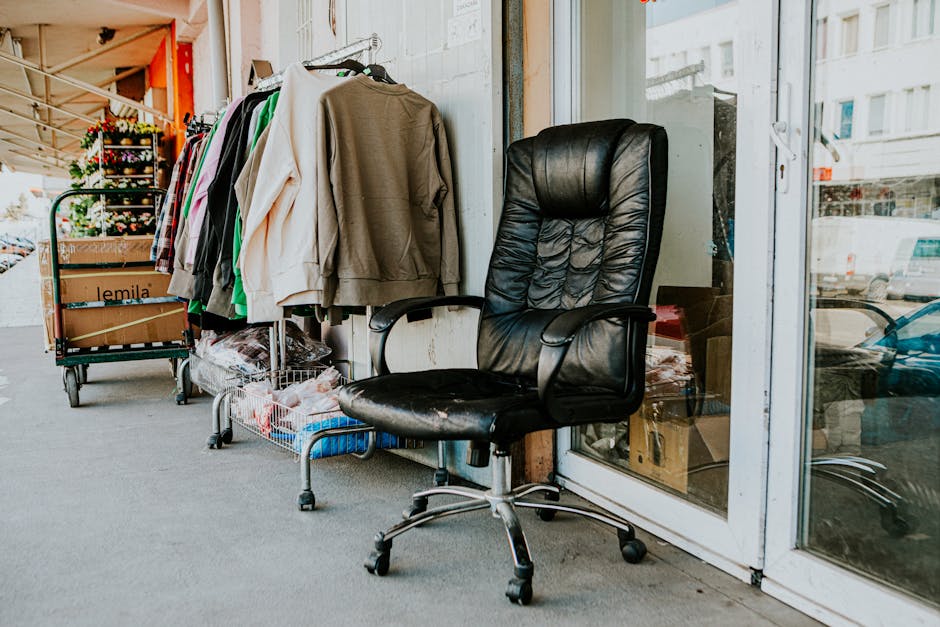
If you are planning Commercial Removals for Stroud Green Shops and Offices, you are probably juggling a dozen things at once: stock, staff, keys, access times, customers, and the not-so-small matter of keeping the business open. It sounds straightforward on paper. In real life, it rarely is. A shop move on Stroud Green Road can turn awkward fast if loading space is tight, and an office relocation can become a headache if computers, files, and furniture are not packed in the right order.
This guide breaks the process down in a practical way. You will see how commercial removals work, what matters most in a local Stroud Green move, where delays usually happen, and how to keep disruption low. We will also cover compliance, planning, and the simple mistakes that tend to cost time and money. Truth be told, a good move is usually the one nobody talks about afterwards.
Whether you are moving a small retail unit, a shared office, or a larger business premises, the aim is the same: get everything out safely, get it back up and running quickly, and avoid the kind of chaos that makes everyone late for lunch.
Why Commercial Removals for Stroud Green Shops and Offices Matters
Commercial moves are not just bigger versions of house moves. They carry different pressures, different risks, and frankly, a lot more moving parts. A shop has display stock, tills, shelving, seasonal items, and often a very narrow window to shut down and reopen. An office may have desks, monitors, archived paperwork, meeting-room furniture, IT equipment, and staff who need continuity more than they need drama.
In Stroud Green, location adds another layer. You may be dealing with busy streets, limited waiting space, nearby residents, basement access, stairwells, or awkward entrance points that make a "quick move" less quick than hoped. If you are used to commercial life in the area, you will know that timing matters. Morning deliveries, lunch trade, school runs, and commuter traffic all have a habit of showing up at exactly the wrong moment.
Why does this matter so much? Because the cost of poor planning is not just removal labour. It is lost sales, lost working hours, customer inconvenience, and staff frustration. A smooth relocation protects your reputation as much as your furniture. That is the real point.
It also matters because different premises demand different handling. A small cafe stockroom is not the same as a consultancy office with confidential files. A retail move with fragile display items is not the same as a legal office move where document control matters. Good commercial removals take those differences seriously, instead of treating every move like a one-size-fits-all job.
Expert takeaway: the best commercial move is rarely the fastest one on the day; it is the one that has already been quietly sorted in the days and weeks before.
How Commercial Removals for Stroud Green Shops and Offices Works
Most commercial removals follow a simple structure, even if the details vary. The process usually starts with an assessment of what needs moving, where it is going, and what could get in the way. That might sound obvious, but it is the stage that saves the most trouble later.
1. Initial review and planning
This is where the removals team looks at access, volume, timing, parking, lifting challenges, and anything that needs special handling. For a Stroud Green shop, this could mean checking whether stock needs to go first, whether shelving will be dismantled, and whether the new unit is ready to receive items. For an office, the focus might be on desks, IT, printers, and file-handling order.
2. Packing and preparation
Packing for commercial removals needs more structure than a general clear-out. Items are usually labelled by room, department, or destination zone. That way, the unpacking process is not a treasure hunt. Nobody wants to open box number twelve and find a mixture of cables, mugs, and half a stationery cupboard. That is not an efficient Tuesday.
Businesses often use specialist packing materials for breakables, IT items, or stock that must stay clean and dry. A good team will also think about route order: what goes into the van first, what needs last-on/first-off access, and which items should never be stacked under heavier loads.
3. Safe loading and transport
Loading is where experience really shows. Commercial removals can involve trolleys, dollies, straps, protective blankets, and careful handling around stairs, lifts, and tight corners. A proper moving van or removal truck should be matched to the job, not just sent out and hoped for the best. That part sounds basic, but you would be surprised how often people underestimate it.
4. Delivery and placement
At the new premises, items are unloaded in the planned order and placed where they need to go. This is especially useful for offices, where teams may need to restart work almost immediately. In retail, it helps if shelving, POS equipment, and stock are placed so the shop can be reassembled without everyone standing around asking where the scanner went.
5. Optional unpacking and setup
Some businesses need more than transport. They need packing and unpacking support, reassembly of furniture, or help moving surplus items to another location. If there is old furniture or stock that no longer belongs in the new setup, a furniture pick-up service can make the handover less messy.
Key Benefits and Practical Advantages
When a commercial removal is done properly, the benefits are obvious. Some are practical, some are financial, and some are just about reducing stress. Let's be fair, most business owners do not need another thing to worry about.
- Less downtime: a well-planned move helps you reopen or restart work sooner.
- Better asset protection: office equipment, displays, stock, and furniture are handled with more care.
- Lower risk of damage: trained movers use the right lifting methods and packing materials.
- Clearer organisation: labelled boxes and room-based planning make unpacking faster.
- Stronger customer continuity: your service feels stable, even during change.
- Reduced staff strain: your team can stay focused on core work instead of acting as improvised removal labour.
There is also a subtler benefit: confidence. Once the move is structured properly, everyone tends to relax a little. The shop manager knows where the stock is going. The office lead knows which workstation gets reassembled first. The whole day feels less like a scramble and more like a controlled shift.
In some cases, businesses also benefit from combining removals with wider moving support. For example, a company relocating may use office relocation services for the broader transition, or commercial moves if the job involves multiple sites or larger operational change.
Who This Is For and When It Makes Sense
Commercial removals are not only for big companies with a whole floor of desks. In Stroud Green, the service makes sense for all kinds of local businesses.
Shops and retail units
If you run a boutique, convenience shop, salon, pharmacy, or specialist retail space, you may need a move when taking on a new premises, downsizing, refitting, or relocating stock. Retail moves often depend on timing. Early morning, late evening, or off-peak periods may be the cleanest options to reduce disruption.
Offices and co-working spaces
Office relocations often involve more coordination than people expect. IT equipment, desks, chairs, documents, archived files, and meeting furniture all need a sequence. If staff need to be back online quickly, a planned move matters a lot more than a casual "we'll sort it on the day" approach. That approach, to be honest, usually ages badly.
Growing businesses
If you are expanding and the current space no longer works, moving can be part of the growth process rather than a disruption. The same goes if your business has outgrown storage, wants better customer access, or needs a more professional setup for clients and visitors.
Businesses with short deadlines
Sometimes the timeline is not negotiable. A lease ends, a landlord schedule shifts, or a fit-out is delayed and everything bunches up. That is where a responsive removals plan becomes useful. If timing is tight, a smaller, flexible team and the right vehicle can be a better fit than a huge all-day operation. A man and van removals approach can work well for smaller commercial loads, while larger jobs may need a fuller team and a larger moving truck.
Who may need extra care
If your business deals with fragile stock, confidential paperwork, or expensive equipment, you need a careful method rather than a rushed one. That includes professionals such as accountants, designers, consultants, clinics, and small agencies where a single damaged item can slow the whole week down.
Step-by-Step Guidance
Here is a practical way to think about the move. Keep it simple, but do not skip the details that matter.
- Set the move date and window. Choose a time that reduces customer impact and fits building access. If you share a building or a busy street, check restrictions early.
- List everything that is moving. Split items into furniture, stock, paperwork, IT, fixtures, and waste. This keeps decision-making clean.
- Measure access points. Doors, stairways, lifts, narrow corridors, and parking all matter more than people think. A sofa may be the easy part; the corner turn may not be.
- Decide what stays, what moves, and what goes. Moving less usually means moving better. Decluttering before a business move is underrated, honestly.
- Pack by function or destination. Label boxes by department, room, or shelf zone. Use colour coding if you have several teams involved.
- Protect sensitive items. Computers, monitors, glass, and delicate stock should be wrapped, boxed, or padded appropriately.
- Brief staff clearly. Tell people what is expected of them, when to finish packing, and where items should be left.
- Coordinate parking and loading. In Stroud Green, parking can be the difference between a smooth start and a frustrating delay. Planning around the street layout is worth it.
- Move the essentials first. Keep the items needed to restart work quickly in a clearly marked priority load.
- Check everything at the other end. Make sure furniture is intact, equipment is where it should be, and nothing vital has been left behind.
If the move involves awkward streets or tight access, it helps to learn from local conditions. Stroud Green is not a place where you can always pull up anywhere and hope for the best. Articles such as Stroud Green Road route and parking tips and tight-access removal advice can give you a sense of what to expect on local roads.
Expert Tips for Better Results
Small changes make a big difference on moving day. These are the things people tend to forget until they are halfway through the job, and then it becomes obvious.
- Create a priority box for each department. Put the must-have items in one clearly marked container so the business can function immediately.
- Use one naming system. If one team labels by room and another labels by colour, the whole thing gets muddled.
- Photograph cable setups before disconnecting. This is especially useful for office IT, printers, tills, and monitors.
- Separate valuables and confidential files. Keep them under direct control, not buried in general boxes.
- Plan for rubbish and leftover materials. Old fittings, packaging, and broken items need an exit plan too.
- Do not overload boxes. Heavy boxes look efficient until someone has to carry them down stairs.
- Allow buffer time. Add a little breathing space around the move. Traffic, access, and building delays happen.
One useful habit is to treat the move like a short project rather than a single event. That mindset changes everything. Instead of asking, "How do we move this today?" you start asking, "What needs to happen first so the rest goes smoothly?" It is a subtle shift, but it works.
If you are comparing service options, you may also want to look at the wider range of removal services and see whether a more tailored setup fits better than a standard one-size-fits-all approach. Sometimes you need a full team; sometimes a leaner setup is enough. No drama, just the right fit.
Common Mistakes to Avoid
Commercial removals go wrong for predictable reasons. The good news is that most of them are avoidable if you know what to look for.
Leaving packing too late
This is the classic one. Businesses keep working right up to the edge, then try to pack the whole office or shop in a panic. The result is usually weak labelling, lost items, and that slightly panicked feeling that nobody enjoys.
Ignoring access issues
It is easy to focus on the contents and forget the route. But if the van cannot stop safely, or the lift is too small, or the loading point is awkward, delays follow quickly. The move is not just about the building; it is about the path into it.
Not separating high-priority items
Some items are essential on day one. Others can wait. Mixing them together means you waste time searching for the things you need most. A cleaner system saves stress.
Poor communication with staff
If people do not know what they are responsible for, they will either do too much or nothing at all. Neither is ideal. A short staff briefing is better than a long after-the-fact apology.
Underestimating furniture dismantling
Desks, shelving, and storage units often need partial dismantling. If you assume everything will simply fit through the door, well, that is how people end up improvising with screwdrivers at 7am.
Failing to plan for disposal
Not everything belongs in the new premises. Some items are broken, outdated, or no longer needed. If you do not plan for disposal, they can clog the move and create a second job later.
Tools, Resources and Recommendations
You do not need a warehouse full of kit to manage a commercial move properly, but a few tools make life easier.
- Strong boxes and crates: especially for files, stock, and smaller office items.
- Labels and markers: keep them clear, readable, and consistent.
- Furniture blankets and wraps: useful for protecting desks, shelving, glass, and delicate finishes.
- Trolleys and dollies: helpful for heavier items and long carries.
- Straps and securing equipment: important during transport to reduce movement in the van.
- Archive boxes: practical for documents and record storage.
- IT packing materials: cable ties, padding, anti-static protection where needed, and careful labelling.
For businesses that need a bit more support, the right mix of services matters. Removal companies can be compared by how they handle access, timing, packing, and aftercare. It is worth checking whether the team is used to both retail and office environments, because those jobs often need different instincts.
For smaller or faster-turnaround commercial jobs, a flexible man with van setup may be suitable. For larger, more structured moves, a dedicated removal company or a more complete business move option is usually a better fit.
Law, Compliance, Standards, or Best Practice
Commercial removals are not usually about complex legal theory, but there are still important obligations and good practice points to keep in mind. The aim is to move safely, protect people and property, and avoid unnecessary risk.
First, health and safety planning matters. If staff, movers, or visitors are working around heavy items, narrow access points, or shared premises, risks need to be reduced sensibly. That might mean proper lifting technique, clear walkways, suitable equipment, and a realistic loading plan. You can review general expectations in the company's health and safety policy and insurance and safety information.
Second, if confidential materials are being moved, privacy and document handling should be taken seriously. Office archives, customer records, and internal files should not be left unsecured in random boxes. That is common sense, but it still needs saying.
Third, waste and disposal should follow proper practice. Cardboard, packaging, obsolete furniture, and unwanted stock may need sorting rather than simply being left behind. If your move includes reuse or responsible disposal, the business's recycling and sustainability approach can be useful to review.
Finally, clear commercial terms help everyone. Before the move, check quotes, timing, scope, and payment arrangements. That is where the pricing and quotes page can help set expectations, while the terms and conditions and payment and security details help reduce misunderstandings. Nothing glamorous there, but it matters.
Options, Methods, or Comparison Table
Different commercial moves call for different approaches. Here is a simple comparison to help you think about what suits your premises.
| Method | Best for | Strengths | Limitations |
|---|---|---|---|
| Small van move | Compact shops, light office loads, urgent transfers | Flexible, quick to organise, good for tight access | Limited capacity, may require multiple trips |
| Full removal team | Medium to larger offices and retail units | Better coordination, faster loading, more lifting support | Usually needs more planning and space |
| Packed-and-moved service | Businesses with little internal time to pack | Reduces staff workload, better organisation | More prep needed upfront, may cost more |
| Phased move | Operations that cannot shut down fully | Less disruption, easier continuity | Takes longer and needs careful sequencing |
If you are not sure which method fits, think about three things: volume, urgency, and how much downtime your business can tolerate. That is usually the honest answer. Not the fanciest answer, but the honest one.
Case Study or Real-World Example
Imagine a small independent shop in Stroud Green moving to a slightly larger unit nearby. The owner has display shelves, point-of-sale equipment, backroom stock, and a few awkwardly shaped fixtures that have to come out through a narrow doorway. The shop cannot afford a long closure because weekend trade matters.
Instead of trying to do everything in one messy rush, the move is split into stages. Non-essential stock is packed first. Display items are labelled by section. The till and electronics are separated and handled as priority items. Old fittings that will not be reused are removed before the final load, which saves space and avoids cluttering the new shop. The van arrives at a quieter time of day, and the team focuses on getting the essentials into place first so the shop can reopen quickly.
The useful part here is not the size of the job. It is the sequence. A commercial removal works best when the business thinks in phases, not panic. One team member says, "Right, that box goes with front-of-house, not stockroom," and suddenly the whole thing starts feeling manageable. Small moment, big impact.
The same principle applies to office moves. A design studio or accountancy office may not have much physical bulk, but the priority is continuity. If computers, chairs, monitors, and archives are organised well, the team can settle in and get back to work without spending the afternoon searching for the printer cable. Been there, regretted that.
Practical Checklist
Use this checklist before moving day to keep things steady and simple.
- Confirm the move date and time window.
- Check access at both premises.
- Review parking, loading, and any street restrictions.
- List all items to move, store, or discard.
- Label boxes by room, department, or destination.
- Protect fragile items and electronics.
- Back up important digital files before the move.
- Brief staff on responsibilities and timings.
- Separate priority items for immediate use.
- Arrange disposal or recycling for unwanted items.
- Keep keys, documents, and valuables under direct control.
- Check the new premises are ready for delivery.
- Allow extra time for setup and unexpected delays.
Quick reminder: if your move involves mixed retail, office, and storage areas, do not assume one packing plan will fit all three. Separate them. It saves headaches.
Conclusion
Commercial removals for shops and offices in Stroud Green work best when they are treated as a practical project, not a last-minute scramble. With the right plan, a clear packing system, and careful attention to access and timing, you can protect your stock, equipment, staff time, and customer experience all at once.
For many local businesses, the real win is not just getting from one premises to another. It is keeping the operation calm enough that the move does not take over the week. That is the standard worth aiming for, and it is usually more achievable than people think.
If you are weighing up your next step, start with your access plan, your packing priorities, and the kind of support you actually need. A little structure now saves a lot of noise later. And that, to be fair, is what makes the whole thing feel manageable.
Get a free quote today and see how much you can save.
Frequently Asked Questions
What is included in commercial removals for shops and offices?
Commercial removals usually include packing, loading, transport, unloading, and placement at the new site. Some services also cover dismantling furniture, packing support, and help with unwanted items.
How far in advance should I book a commercial move in Stroud Green?
As early as possible is best, especially if you need a specific day, limited access time, or a move outside normal business hours. Busy periods can fill quickly, so early planning helps.
Can a shop or office move be done outside trading hours?
Yes, many businesses prefer early morning, evening, or weekend moves to reduce disruption. The right timing depends on access, building rules, and how quickly you need to reopen.
How do I reduce downtime during a business move?
Separate priority items, label everything clearly, pack in stages, and make sure the new premises are ready before the move starts. A phased approach often helps businesses stay operational.
Do office removals require special handling for computers and files?
Yes. IT equipment should be packed securely, cables should be labelled or photographed before disconnecting, and confidential files should be kept controlled and organised throughout the move.
What should I do with old furniture or surplus stock?
Decide in advance whether items will be reused, moved elsewhere, donated, recycled, or removed. Leaving this decision until moving day usually creates clutter and delays.
Are commercial removals suitable for small businesses?
Absolutely. Small shops, consultancies, salons, and office teams often benefit from a flexible removals setup that matches their size and timing needs.
How important is parking and access planning in Stroud Green?
Very important. Tight streets, loading limits, and busy local traffic can affect how quickly a move happens. Planning parking and access early prevents unnecessary delays.
What is the difference between a man and van service and a full removal team?
A man and van service is often better for smaller loads or fast transfers, while a full removal team is better for larger or more complex business moves that need extra handling.
Should I pack the office or shop myself?
You can, but it depends on your time, your staff capacity, and the value of what is being moved. Many businesses prefer a mixed approach: internal packing for simple items and professional help for heavier or more sensitive items.
How do I know which commercial removal option is right for me?
Think about the size of the move, the time available, the access at both premises, and how much disruption your business can tolerate. If in doubt, a tailored quote is usually the best place to start.
What should I check before the move day?
Confirm the schedule, review access and parking, label all items, protect fragile goods, brief staff, and make sure the new premises are ready. A final walk-through can save a lot of trouble.
Can commercial removals include both office and storage items?
Yes. Many business moves include a mix of office furniture, archive materials, stock, and storage items. The key is to separate them clearly so they are loaded and delivered in the right order.
Where can I find more about the company's wider services?
You can review the business's removals overview, or look at the about us page if you want to understand the team's background and approach before booking.